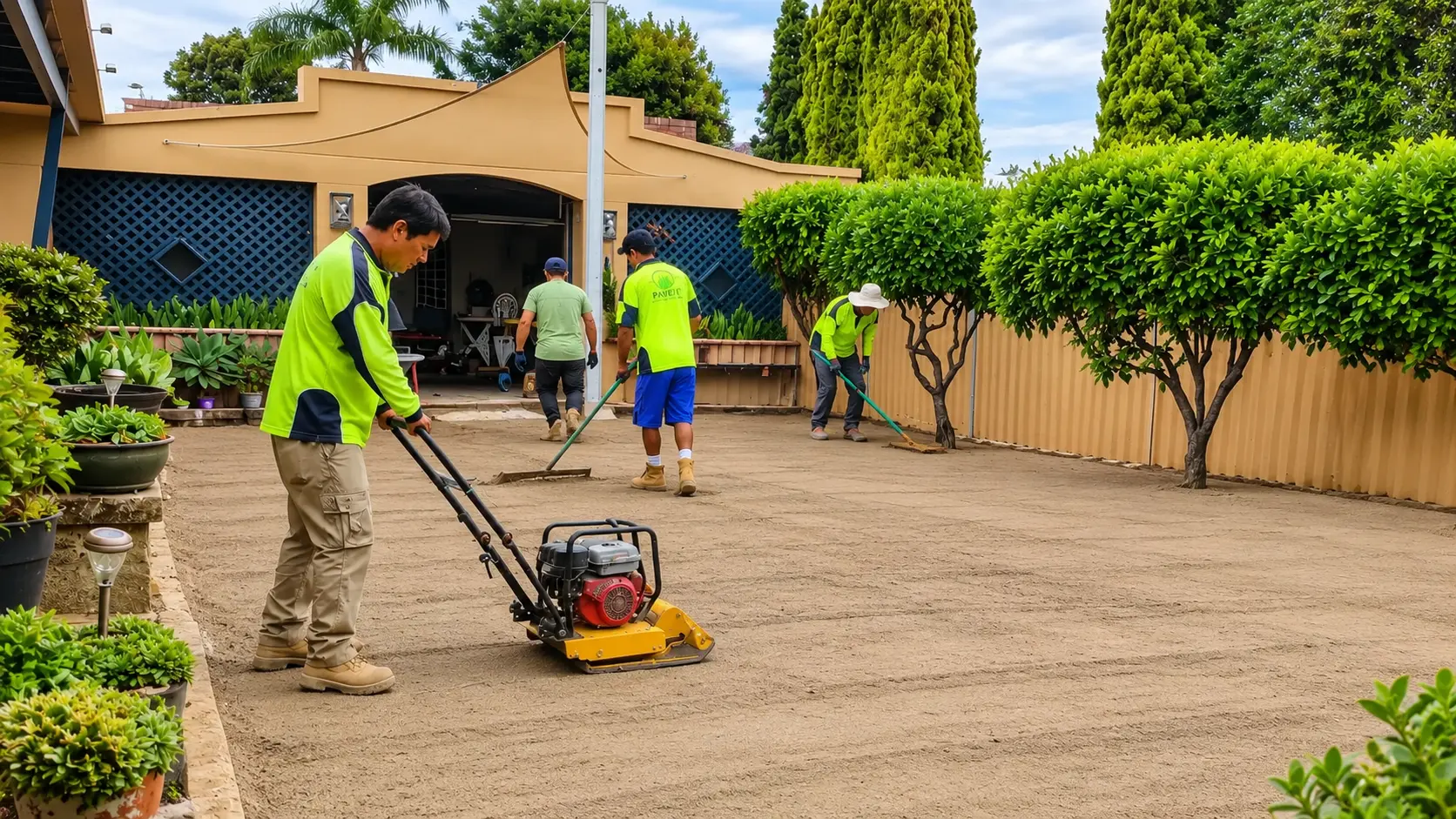
Sandy Soil vs Clay: What Perth Homeowners Need to Know Before Installing Synthetic Turf
Soil matters because the surface under a lawn affects preparation, stability and drainage. Perth is well known for sandy ground, but plenty of properties also have compacted fill or heavier clay patches that need a different conversation before synthetic turf goes down.
When locals ask why two similar-looking quotes are not the same, the answer is often below ground. A site with water pooling after rain or a base that needs extra preparation cannot be treated like a flat, easy-access courtyard. PAG’s Perth artificial grass specialists assess the site before recommending the installation approach.
How does sandy soil affect a synthetic lawn?
Sandy soil is common across Perth and can drain quickly, but that does not mean every sandy block is ready for turf. It can be loose, uneven or water-repellent, and the finished surface still needs a stable, properly prepared base.
- Check levels: sand can shift and expose low spots.
- Follow water: note downpipes, patio runoff and where water gathers after a downpour.
- Plan edges: clean edging helps keep the finished area neat and defined.
- Consider use: a play area, pet run and quiet front lawn can need different finishes.
What changes when the ground is clay or compacted?
Clay and compacted ground can hold water longer, especially in winter. That makes site inspection important. The goal is not to make a blanket promise about drainage. It is to understand the existing levels, likely water path and preparation required before a surface is installed.
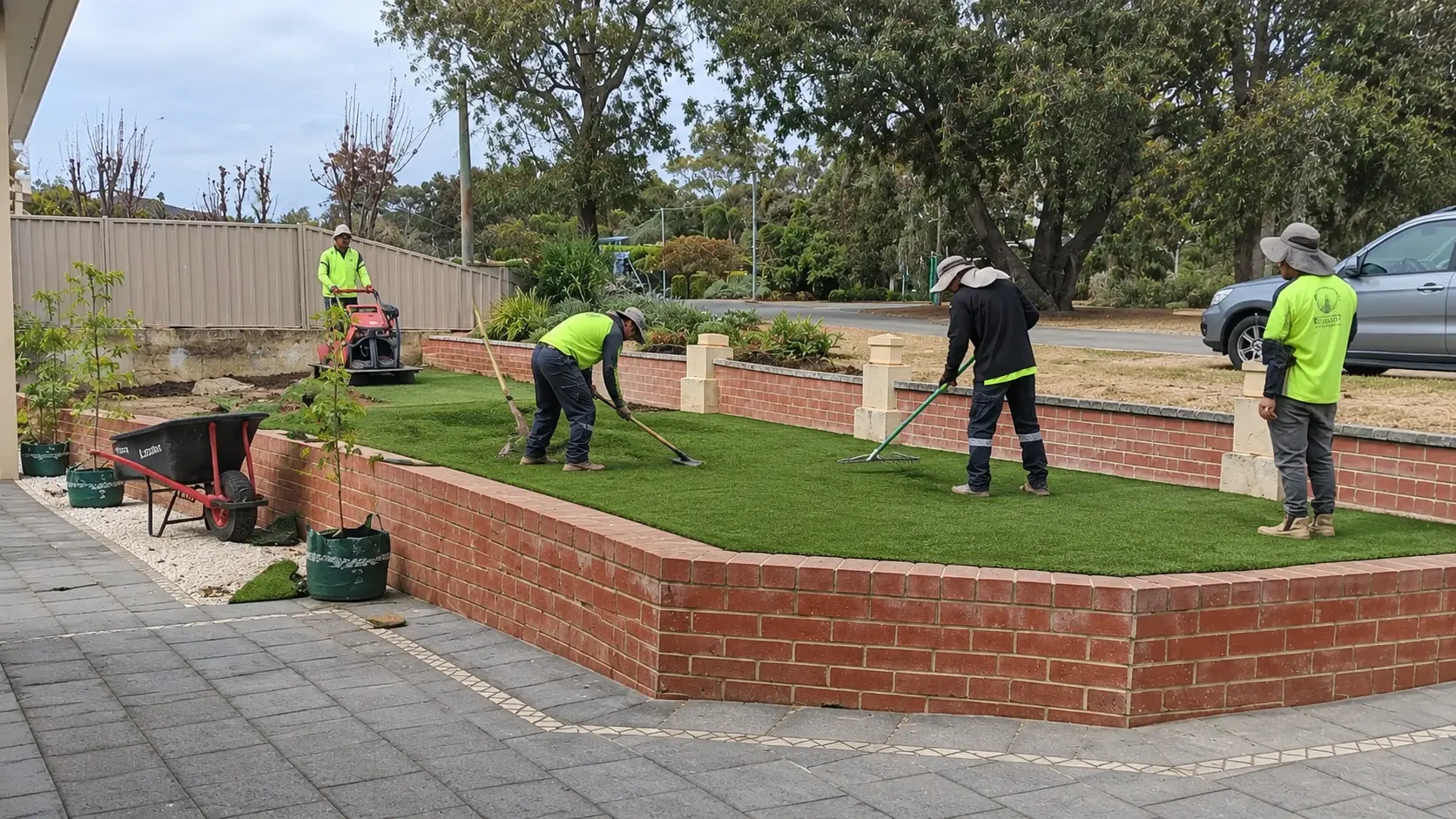
For homeowners comparing approaches, PAG’s DIY installation guide shows why removal, base preparation and compaction are not steps to skip. On a complex site, professional advice can save a lot of rework.
A simple pre-measure test: follow the water
You do not need to diagnose the soil yourself. After decent rain, note where water arrives, where it sits and where it leaves the area. Include roof runoff, air-conditioner discharge, patio edges and neighbouring levels. That gives the installer a much better starting point than describing the lawn as simply “sandy”.
Do not assume that a free-draining-looking top layer means the whole area drains well. Compacted fill, old construction material and a low point beside paving can change how a small section behaves.
What should an installer assess?
Ask about the existing ground, drainage, access, edging and intended use. Good questions are better than guessing from a square-metre price. Bring photos of the area after rain, point out downpipes and tell the installer about future garden beds, paving or pool work.
For a discussion based on the actual site, see supply and installation services. You can also look through finished turf options before choosing a pile height or feel.
FAQ
Q: Is sandy soil good for synthetic turf?
A: It can be suitable, but the area still needs correct preparation, levels and a stable base.
Q: Can synthetic turf go over clay?
A: It may be possible, but clay needs an individual drainage and base assessment first.
Q: Why does water pool on my lawn?
A: It can be caused by levels, compacted soil, downpipes or surrounding hard surfaces. A site inspection helps identify the cause.
Q: Do I need to tell the installer about future landscaping?
A: Yes. Future paving, garden beds or pool work can affect levels and edges.
Q: Can I prepare the base myself?
A: Small straightforward jobs may be DIY-friendly, but the base must be stable, level and suited to the site.
Not sure what is under your current lawn? Request a quick quote and get the site assessed before making a call.