
Can You Install Synthetic Turf During a Perth Winter?
Yes, a synthetic lawn can be installed through a Perth winter when the site can be prepared safely and conditions are suitable. Rain may shift the schedule, but winter is often a sensible time to get the groundwork sorted before spring and summer bookings fill up.
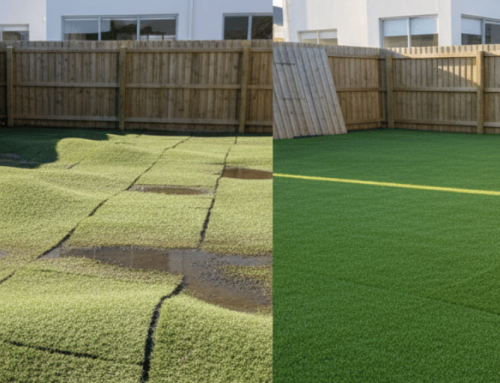
One question that comes up repeatedly in local discussions is whether a wet backyard will turn into a rushed job or a muddy mess. The honest answer is that it depends on the ground, access and drainage plan. A good installer assesses those details before committing to an installation date. If you are weighing up the options, start with PAG’s Perth artificial grass supply and installation service, then get advice for the actual site.
Why winter can be a practical time to book
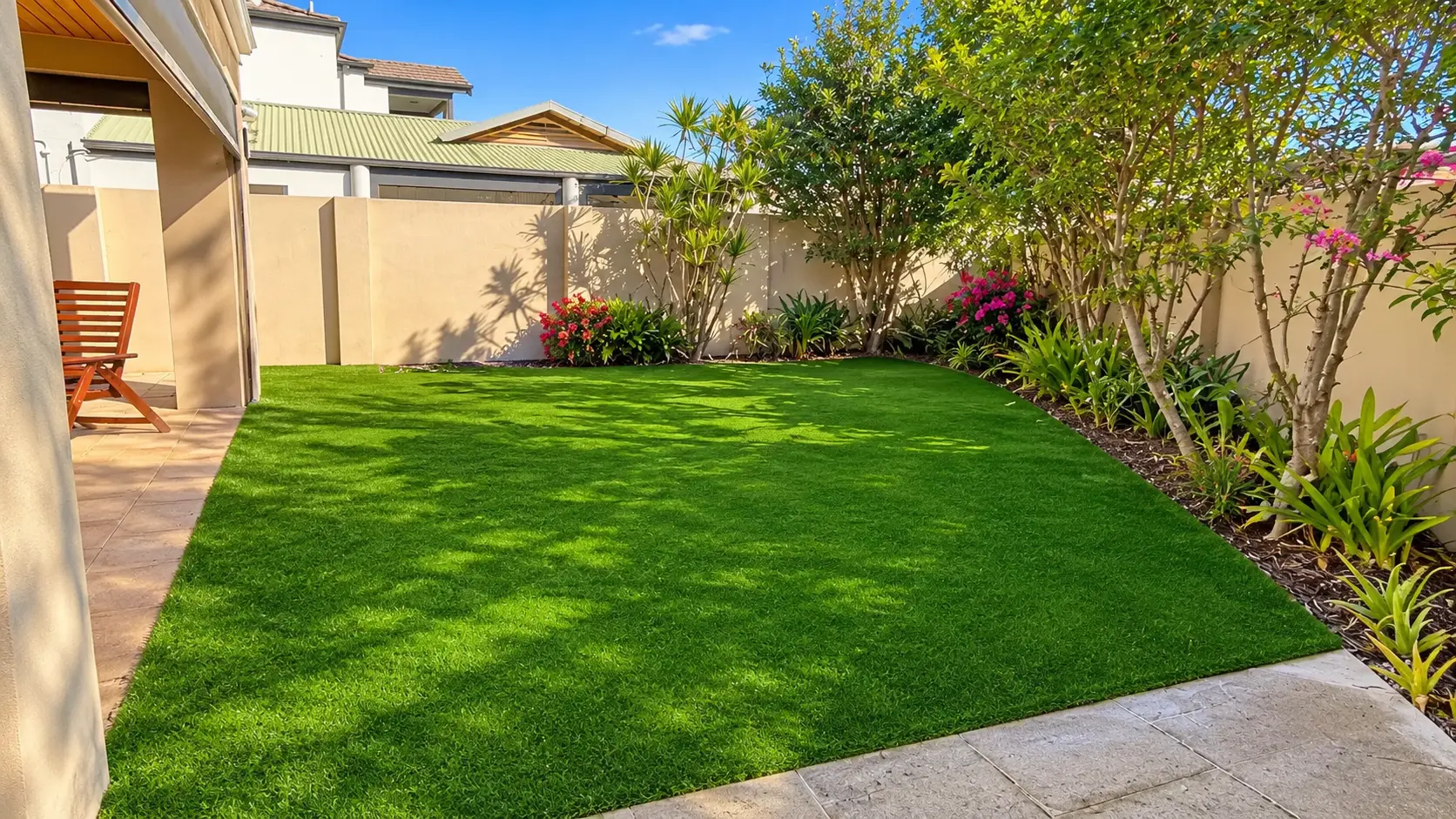
May is when many Perth households stop trying to rescue a tired lawn and start planning the backyard they want for the warmer months. Booking early gives you time for a measure, product selection and a clear plan before spring entertaining season.
- Less pressure to finish immediately: there is time to plan edges, access and garden-bed transitions properly.
- A clearer view of water movement: winter rain can reveal where water pools, runs off roofs or enters the yard.
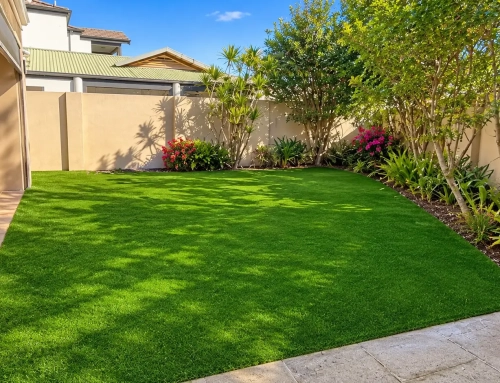
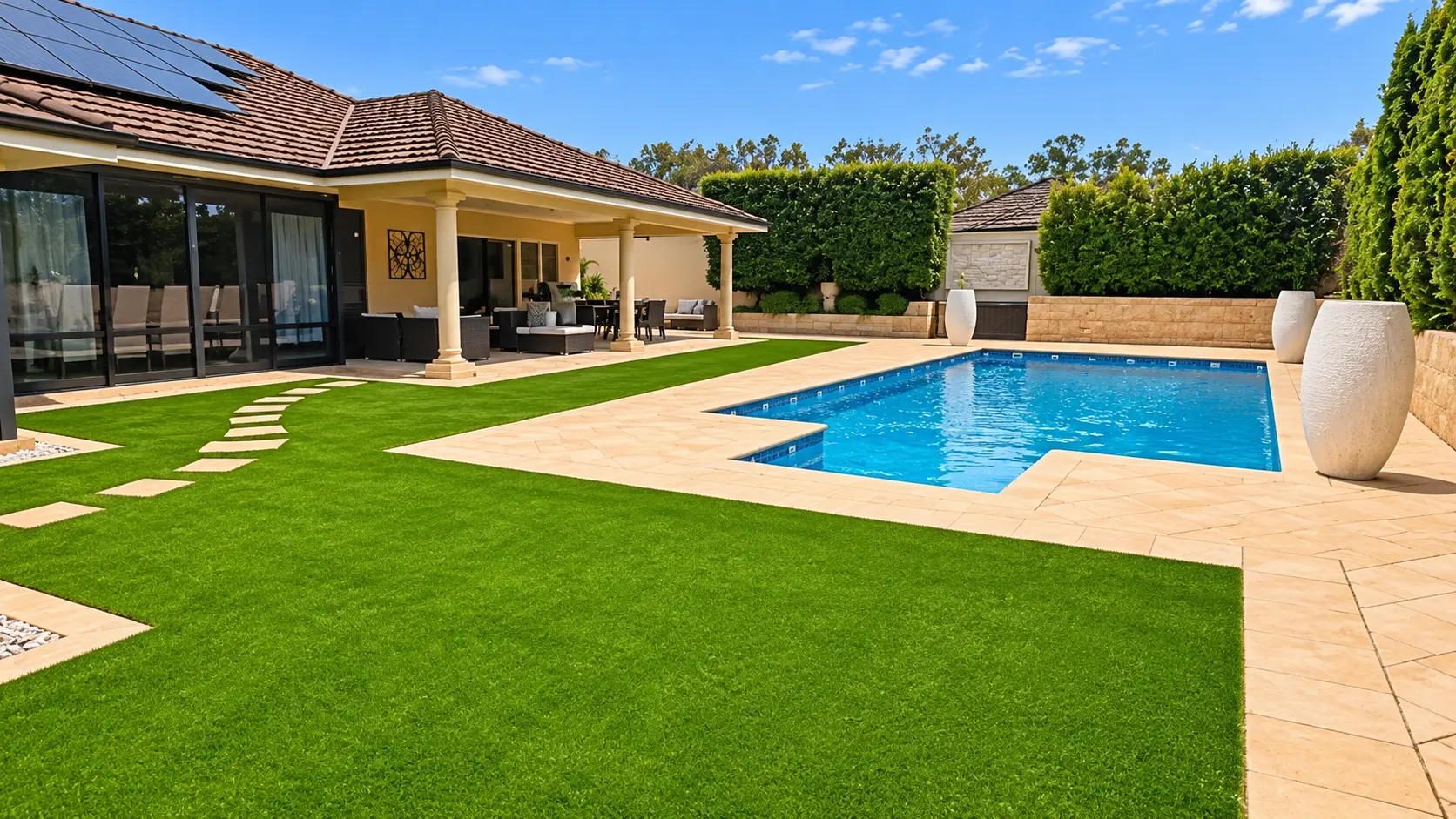
- Spring-ready results: once the job is complete, the space is ready for kids, pets and outdoor living when the weather improves.
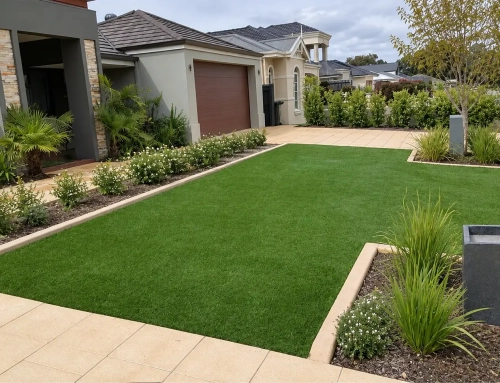
Start with a look at the available turf options, then arrange a site-specific discussion rather than choosing solely from a photo online.
What needs checking before work starts?
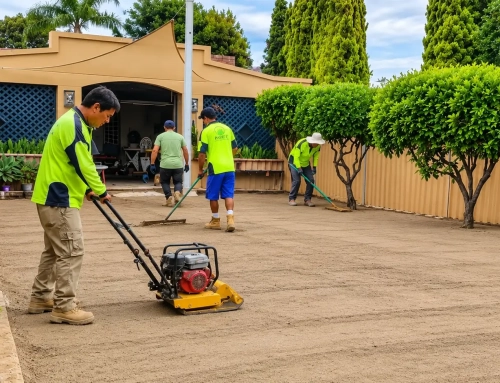
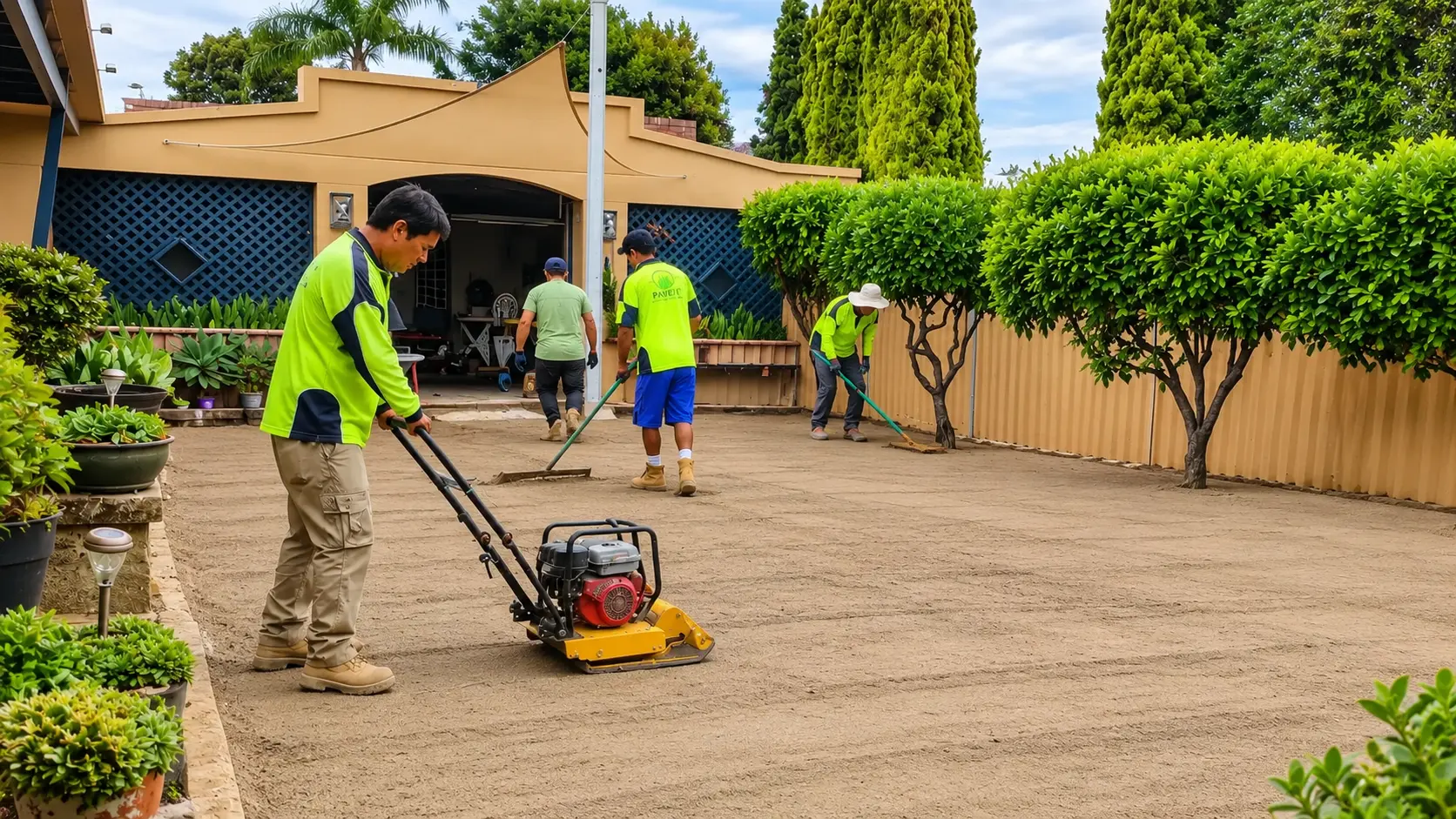
Winter installation is not about rolling turf over wet ground. The base needs to be stable, levelled and prepared to suit the property. Access for materials, existing lawn removal, downpipes, low spots and the condition of surrounding paving all matter.
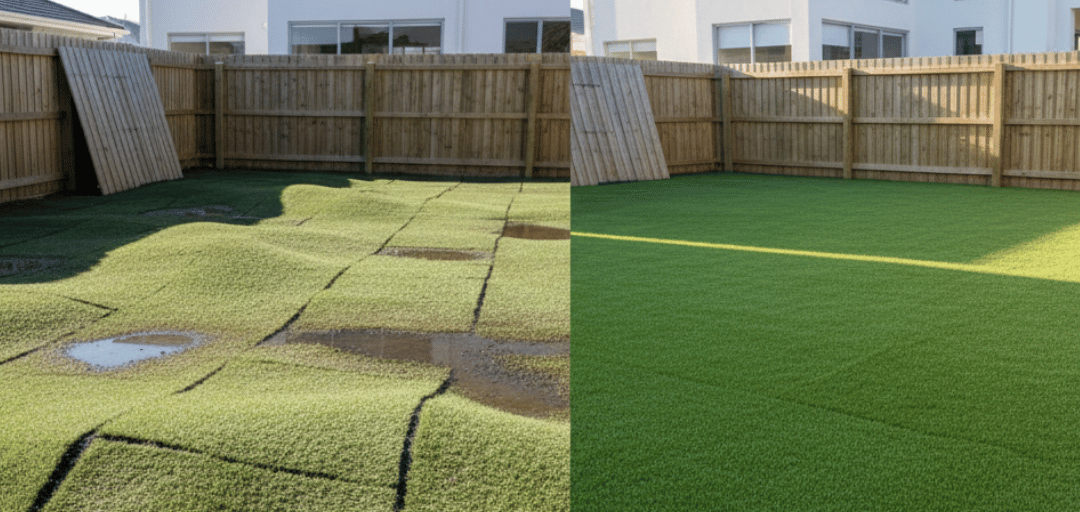
For sandy blocks in areas such as Piara Waters or Canning Vale, the conversation may be different from a property with heavier or compacted ground. If water has nowhere to go, changing the surface alone will not solve the problem. The plan needs to address the whole area, not hide it.
For a closer look at the process, see supply and installation options. Homeowners considering a small DIY area can also use the installation guide to understand the preparation involved.
What to photograph before asking for a winter quote
A few useful photos make the first conversation far more productive. Take wide shots from the house and back fence, then close-ups of side access, downpipes, soggy patches, existing paving and any garden edging you want to keep. If the area changes after rain, photograph that too.
Also flag upcoming work, such as a fence, shed, paving or pool project. Getting the order right matters because finished levels and access are much easier to plan before the turf is installed.
When should you wait?
It is worth delaying if prolonged rain leaves the site unsafe, access would damage the property, or the ground needs drainage work first. That is not a setback. It is how you avoid shortcuts that lead to uneven areas, poor edges or water sitting where it should not.
FAQ
Q: Does rain ruin a synthetic lawn installation?
A: Not automatically. The site and forecast need assessing, and work may be rescheduled if safe preparation cannot be achieved.
Q: Is winter better than summer for installation?
A: Neither season is automatically best. Winter can be good for planning ahead, while the right date depends on site conditions and availability.
Q: Will a synthetic lawn drain in winter?
A: Drainage depends on the turf, base and the property’s overall water movement. It should be assessed before installation.
Q: Can I use the backyard straight away?
A: Your installer can confirm the right timing for your specific job once the finish and site conditions are known.
Q: What should I do before a measure?
A: Note where water pools, take photos after rain and list any access restrictions or planned landscaping work.
Want the backyard ready for spring? Request a quick quote and get advice based on your actual site.